Collaborative Product Development


01 /03
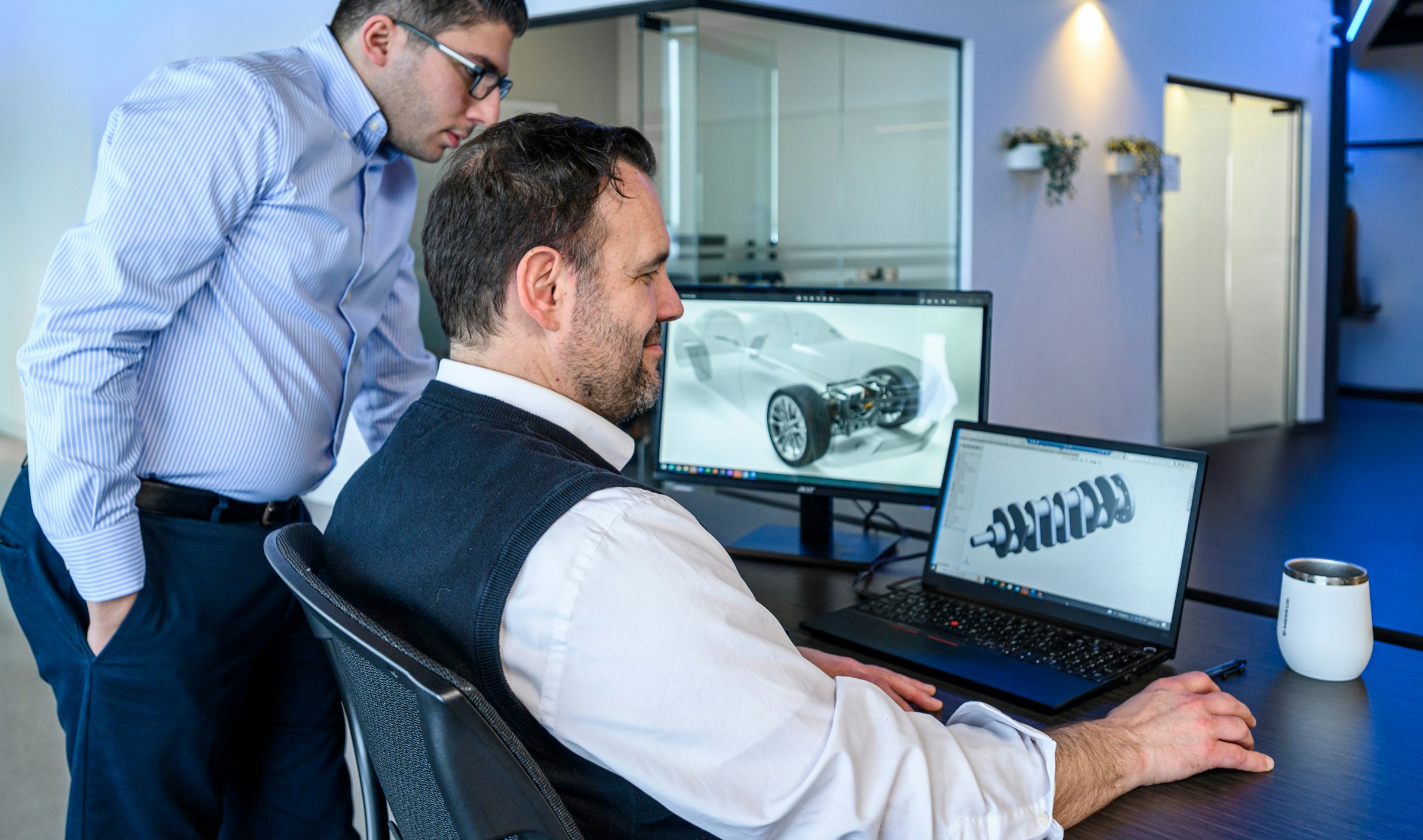
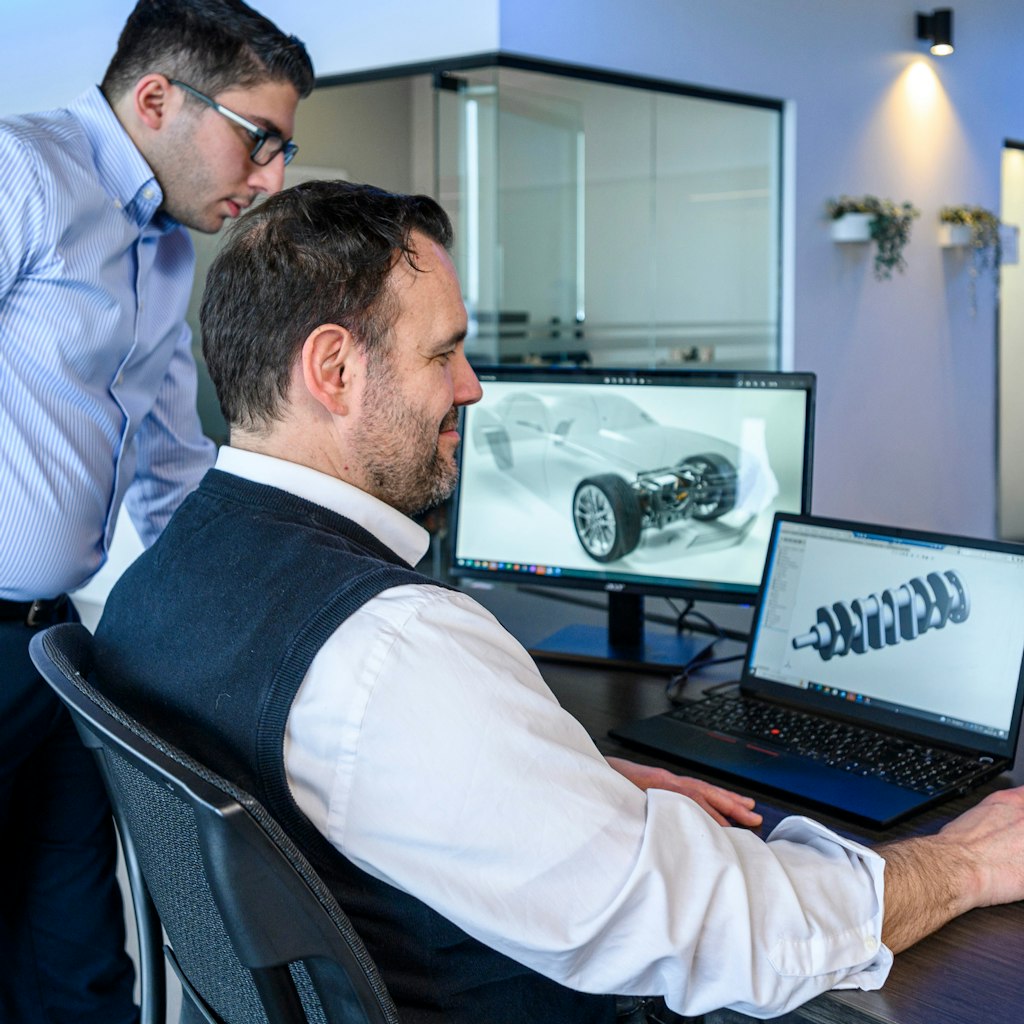
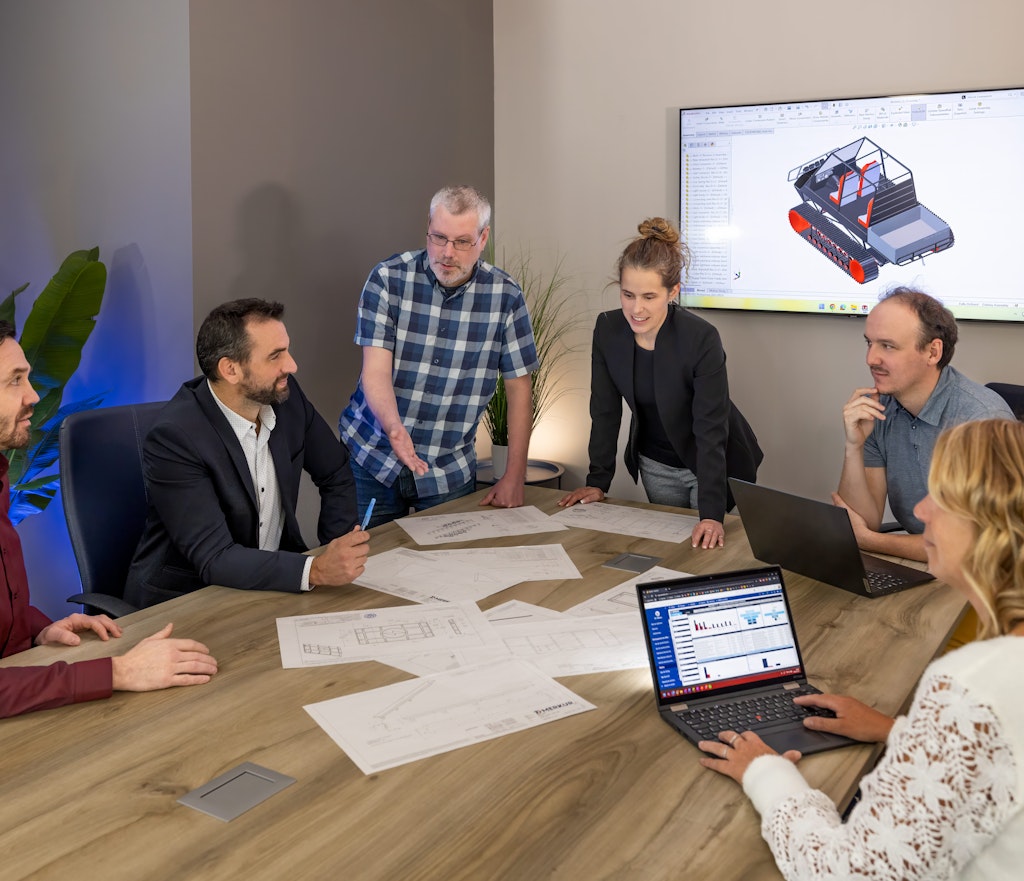
Together, we turn your idea into a concrete opportunity by clarifying your needs, your market, and technical constraints. This step establishes a clear vision and solid foundations to ensure your product’s relevance and feasibility from the very start.
- Voice of the Customer (VoC) workshops and environmental analysis
- Product life-cycle mapping
- Competitive benchmarking and trend analysis
- Preliminary FMEA analysis
- Value-driven, validated requirements specification
02 /03
Our experts turn your specifications into concrete concepts through agile iterations, testing, and simulations. This approach validates feasibility and performance, reduces risk, and maximizes your product’s innovation and market differentiation.
- User testing and functional validation
- Advanced simulations and numerical analyses
- 3D printing and rapid prototyping
- Multidisciplinary design reviews
- Design-to-Cost (DTC) and Design for Manufacturing (DFM) optimization
03 /03
We ensure a smooth transition to production by integrating DFx principles early to reduce costs and ensure quality. We also support launch readiness to deliver a high-performing product faster, with a secure investment.
- Supplier qualification and development
- Compliance testing and regulatory validation (CSA, UL, CE)
- Work instructions and production documentation
- Launch plan and go-to-market support
- Post-launch feedback loop
Our services at the core of the integrated solution
By strategically combining our expertise, we deliver an integrated product development approach that accelerates cycles, reduces risk, and maximizes value.
Product Development Process
From ideation to market launch, our experts guide your teams with agile methods, clear governance, and technical validation to reduce risks and speed up ROI.
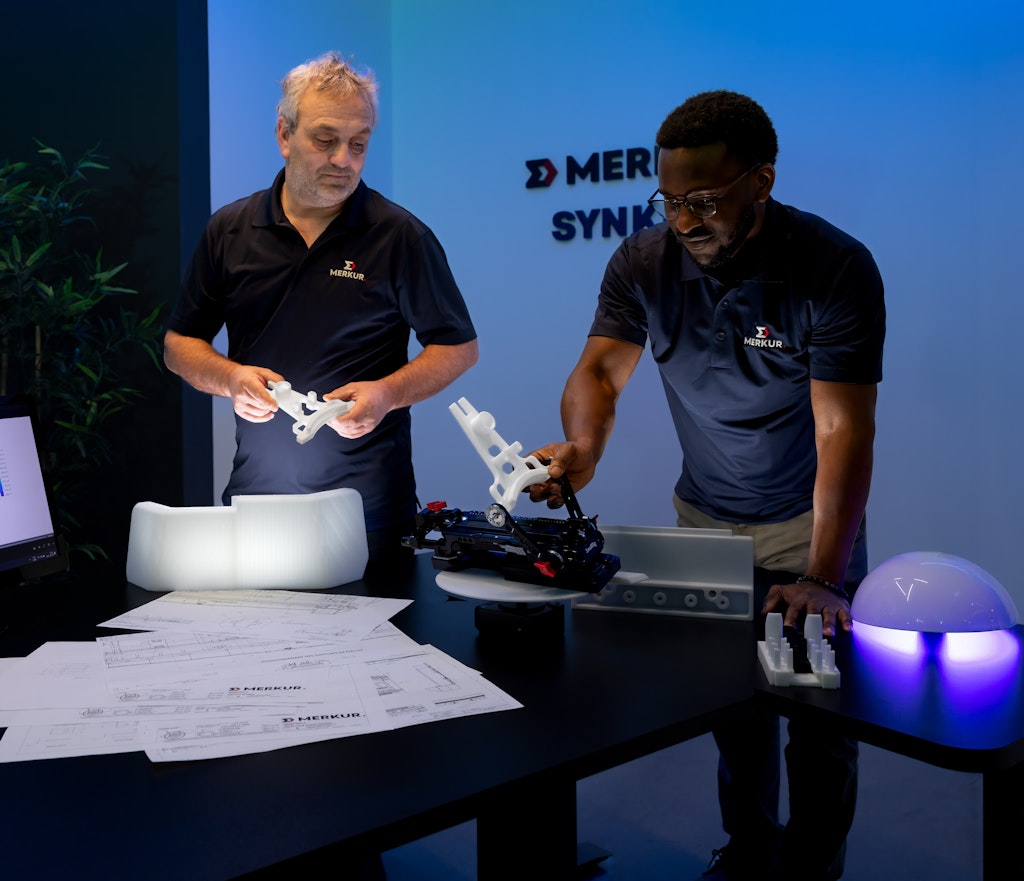
Product Development Project Management
We manage your projects with clear governance, agile practices, and KPIs that secure quality, cost, and schedule.
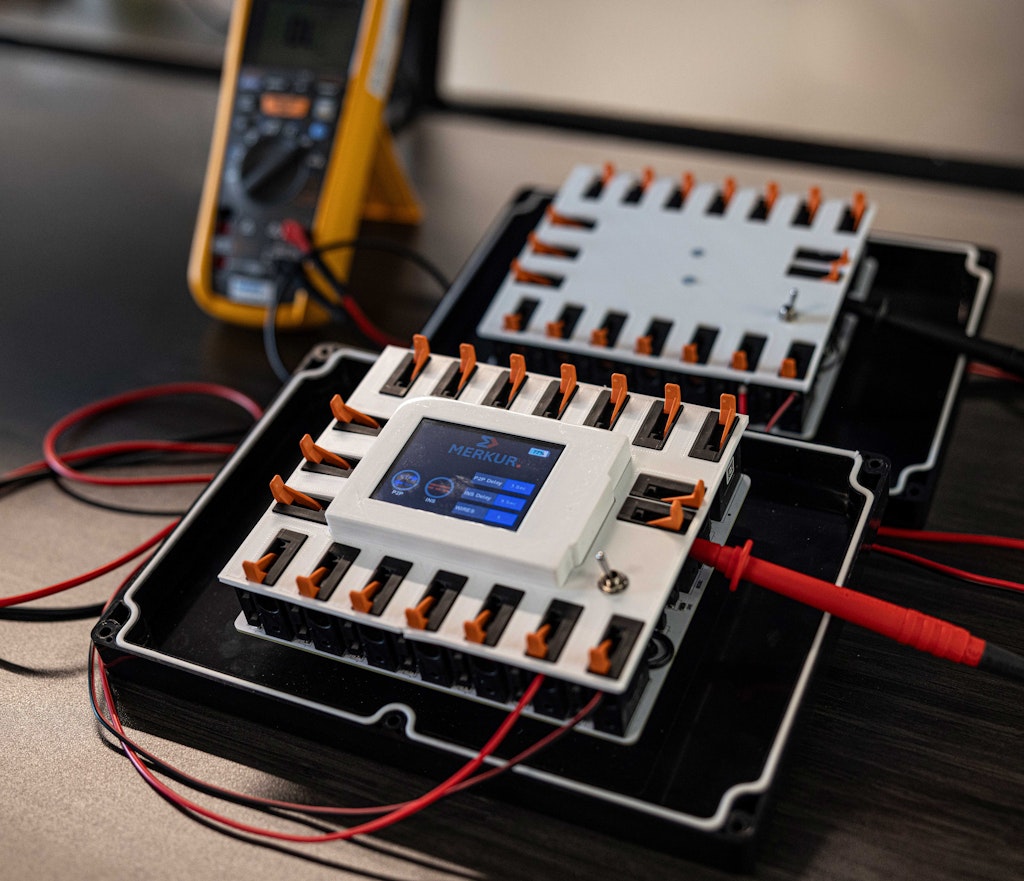
Electrical and Electronic Engineering
From requirements to production: electronic design, harnesses, panels, firmware and EMC validation.
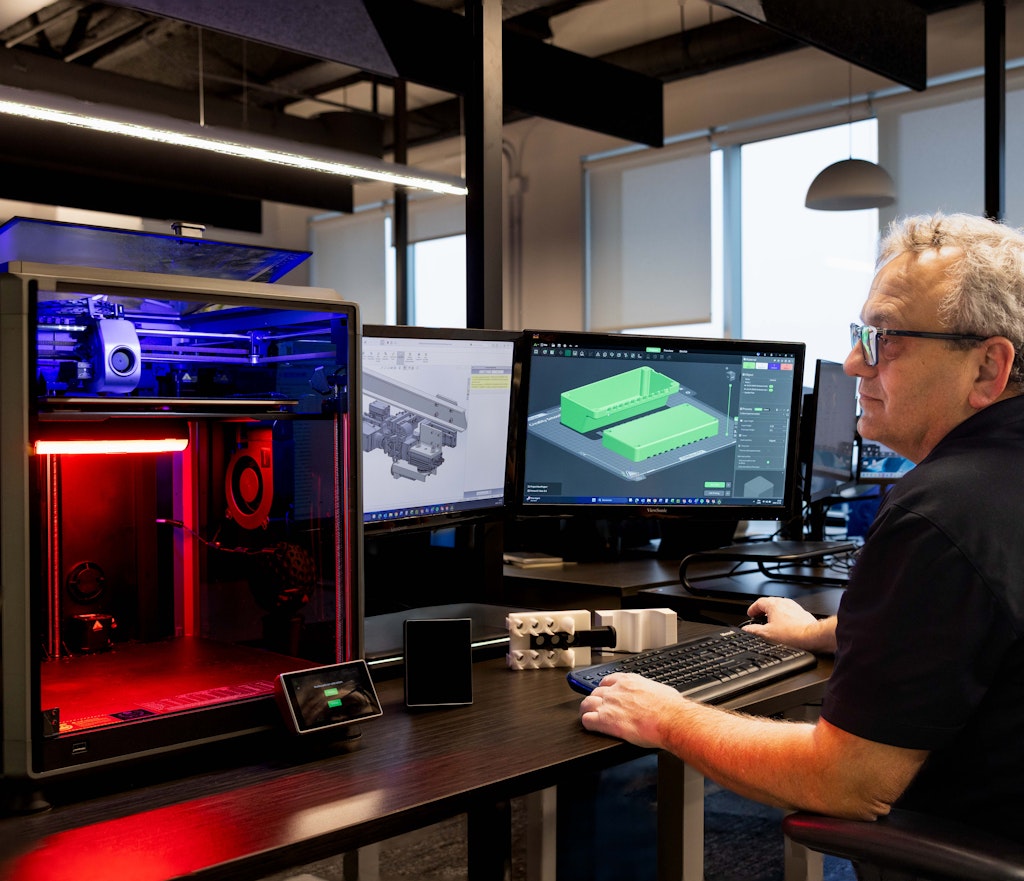
Mechanical Engineering and Product Design
Design, simulation, and validation to confidently industrialize your products.
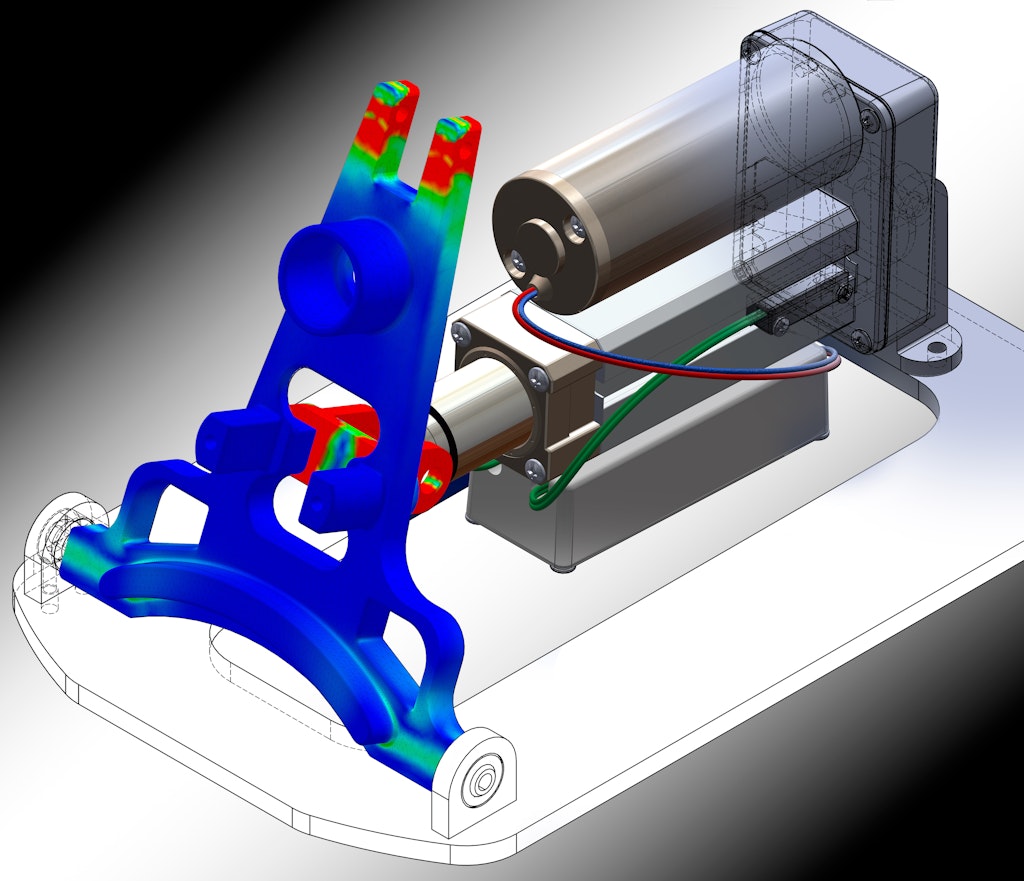
Numerical Simulation and Physical Testing
Modeling, test–model correlation, and test plans for reliable, high-performance products.
Product optimization
Analysis, redesign, and validation for more competitive, reliable, and manufacturable products.
PROJECTS
Design and simulation for the passenger seats of the Long Island Rail Road In New-York
Transportation
Developed for daily commuters on New York’s suburban rail lines, the M9 seats were manufactured by our client, Khrome PT, on behalf of Kawasaki. The twofold objective was to meet strict transportation safety standards while also complying with the railcar manufacturer’s technical specifications—all within the established budget.

Numerical Simulation for the Company Pro Pac Industries
Manufacturing
Pro Pac Industries, a major company in the forestry domain, wanted to carry out a major upgrade of its product line. To meet their needs and obtain assistance in the design and improvement of various delimber head models, they called on Merkur’s numerical simulation experts.

ARTICLES
Knowing your Market and your Customers: The Key to Successful Product Development!
Do you see opportunities for innovation and improvement that could benefit your company? Do you have a project in mind that you’d like to present? Make the most of the summer to get ready!
Simultaneous Engineering and DFMA Integration: Crucial Elements in the Product Development Process
In the complex world of product design, certain approaches stand out, such as DFMA (Design for Manufacturing and Assembly), which enables products to be designed in such a way as to make them easier and less costly to produce and assemble. When integrated with simultaneous engineering, DFMA brings many advantages, which we will explore in this article.
Take the Opportunity to Innovate
The word innovation is on everyone’s lips: the importance of innovating, of finding innovative solutions. Yes! But how? How can we do this, when day-to-day business often takes precedence over creative and strategic thinking?